UX Design and Research
Remote Places Design
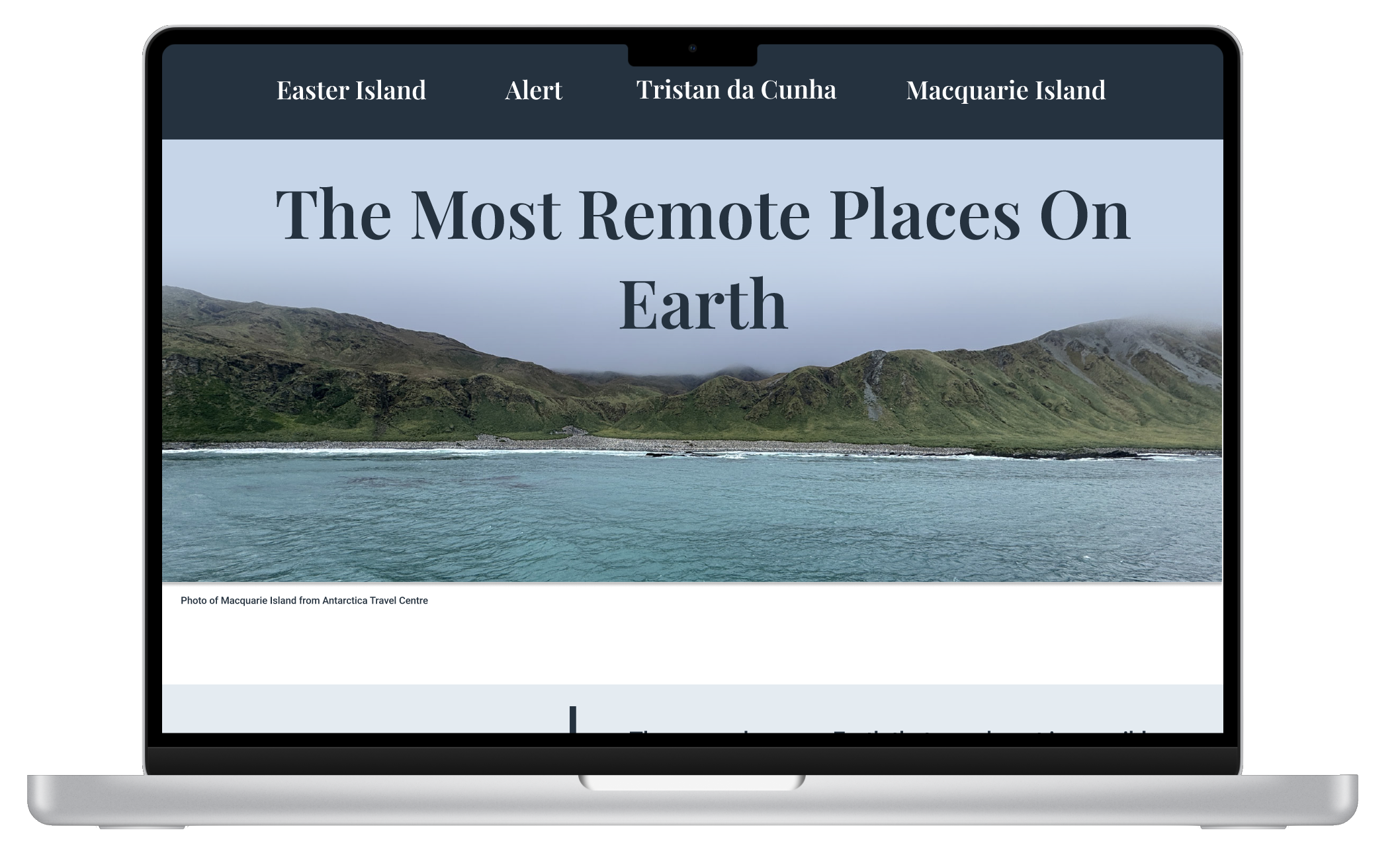
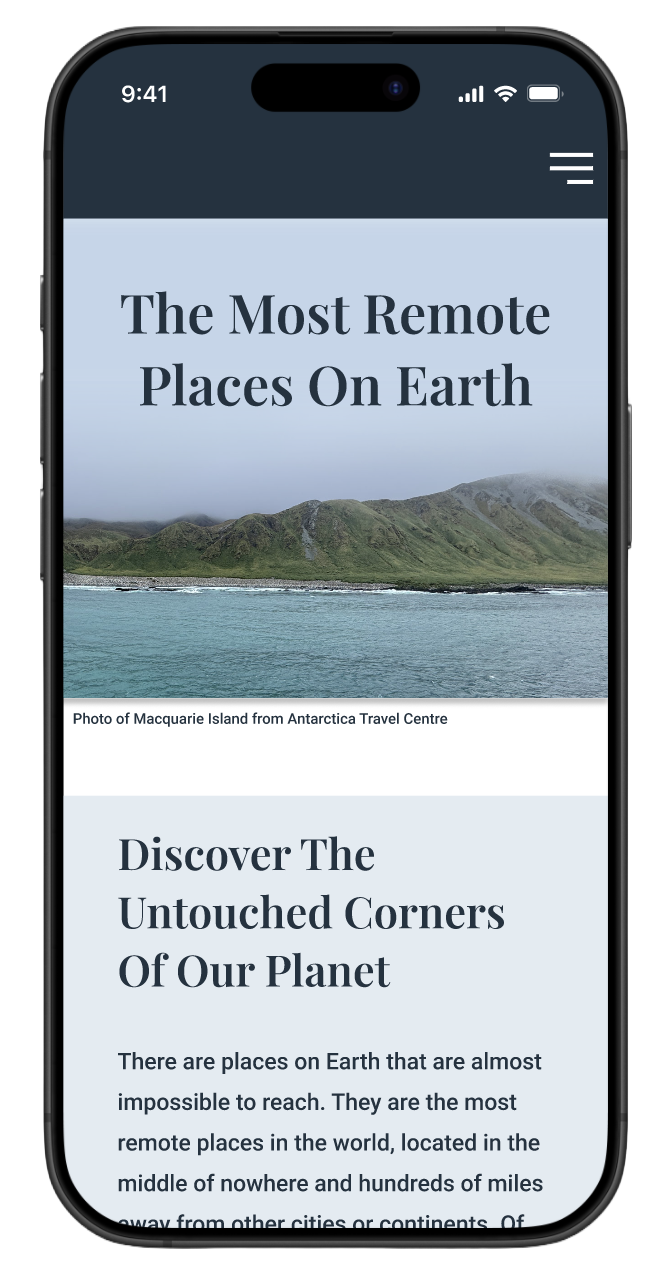
For this project, I designed a responsive website about the world’s most remote places. I created both mobile and desktop prototypes in Figma, built from various sourced articles and sourced imagery, and an interactive feature that helps users explore the story. I focused on clean layouts, simple navigation, and a style that feels spacious and adventurous. The final design includes a style tile and a fully wired prototype that shows how the site would actually work.
Accessibility Redesign
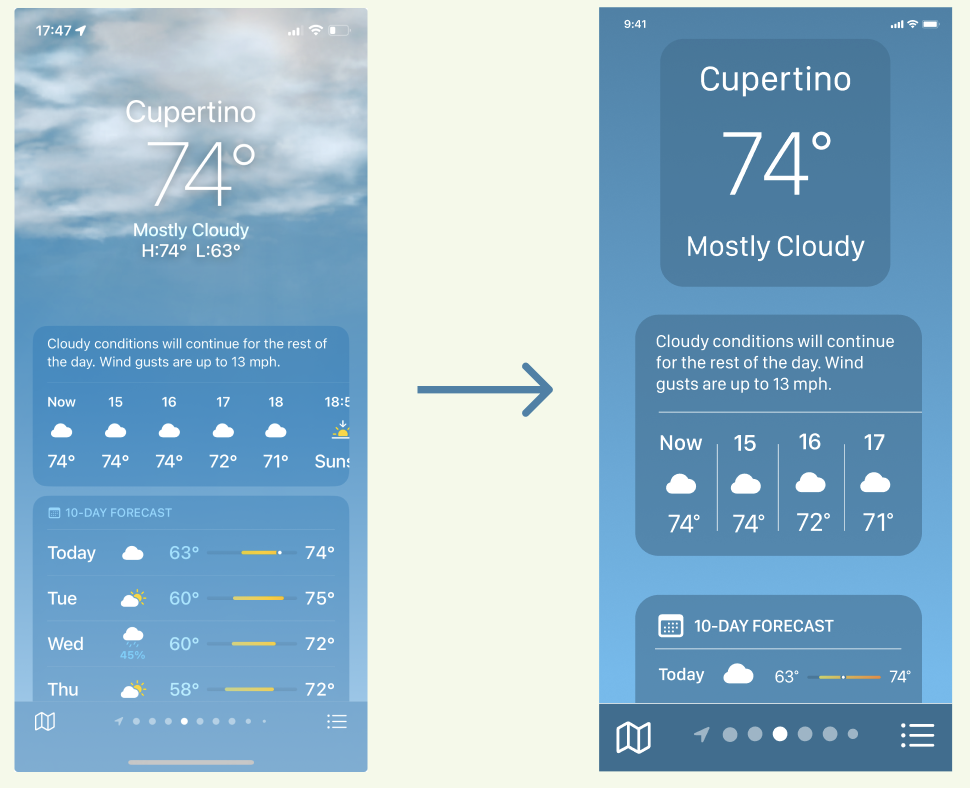
For this project, I evaluated a Weather App screen through the lens of accessibility, focusing specifically on users with farsightedness. I analyzed the original design and identified elements that supported accessibility. Then, I redesigned the Weather App in Figma using larger type, clearer hierarchy, and simplified visual structure to improve readability. The final screen offers a cleaner, more legible layout tailored to users with farsightedness.
App Onboarding Sequence
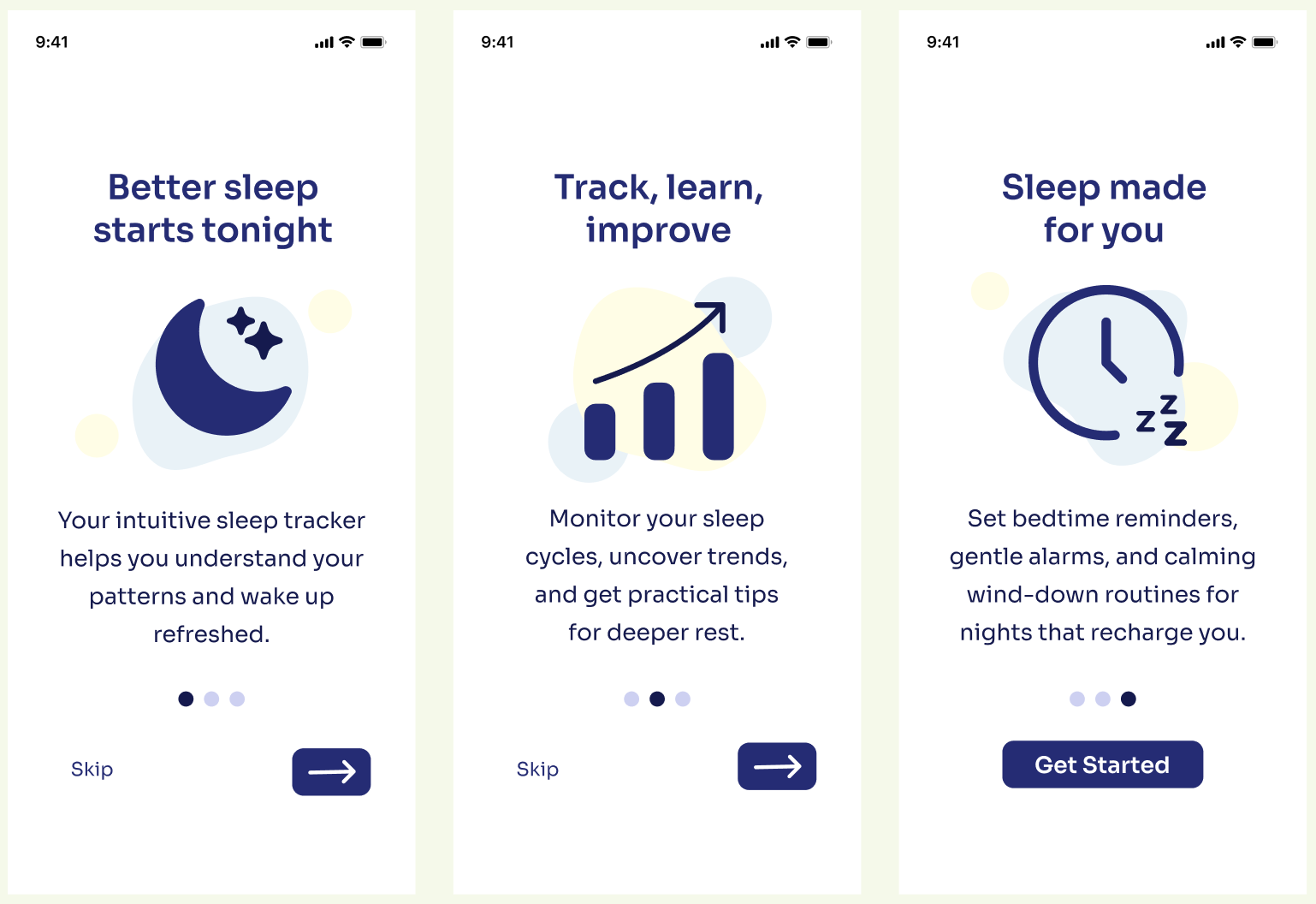
For this project, I designed a three-screen onboarding flow for a sleep-tracking app. I focused on creating a calm, welcoming visual style using soft colors, simple illustrations, and clear hierarchy to guide users through the app’s key benefits. The final design reflects an approachable first-time user experience.
Brand Identity & Wireframe
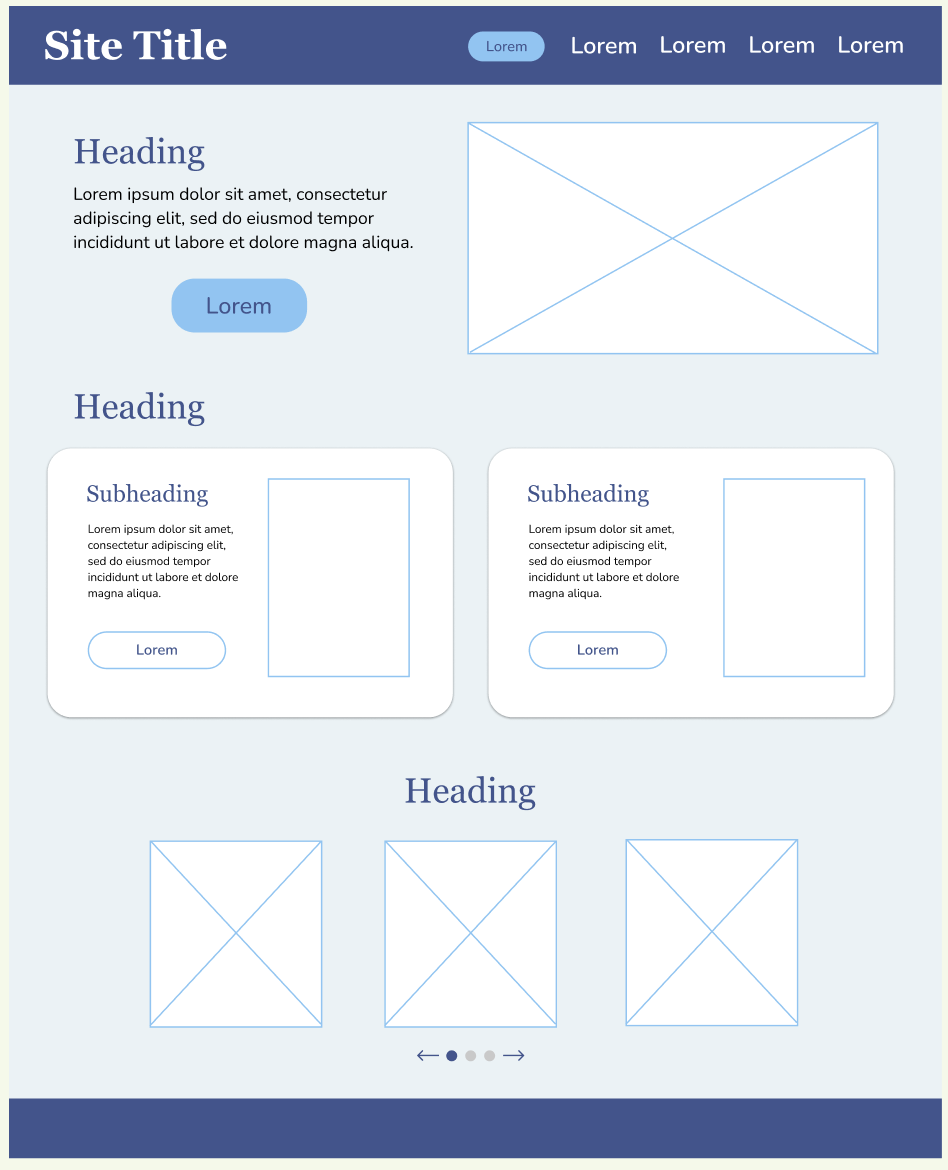
For this project, I created the visual brand identity for a non-profit focused on advocating for clean water. I built a color palette and selected two complementary typefaces, and used them to design a simple homepage layout for both mobile and desktop. The goal was to express the organization’s personality using only color, typography, and minimal shapes (no imagery or text). The final wireframes show how the brand can communicate its values through design alone.
Venmo Budgeting & Insights Feature — UI/UX Case Study
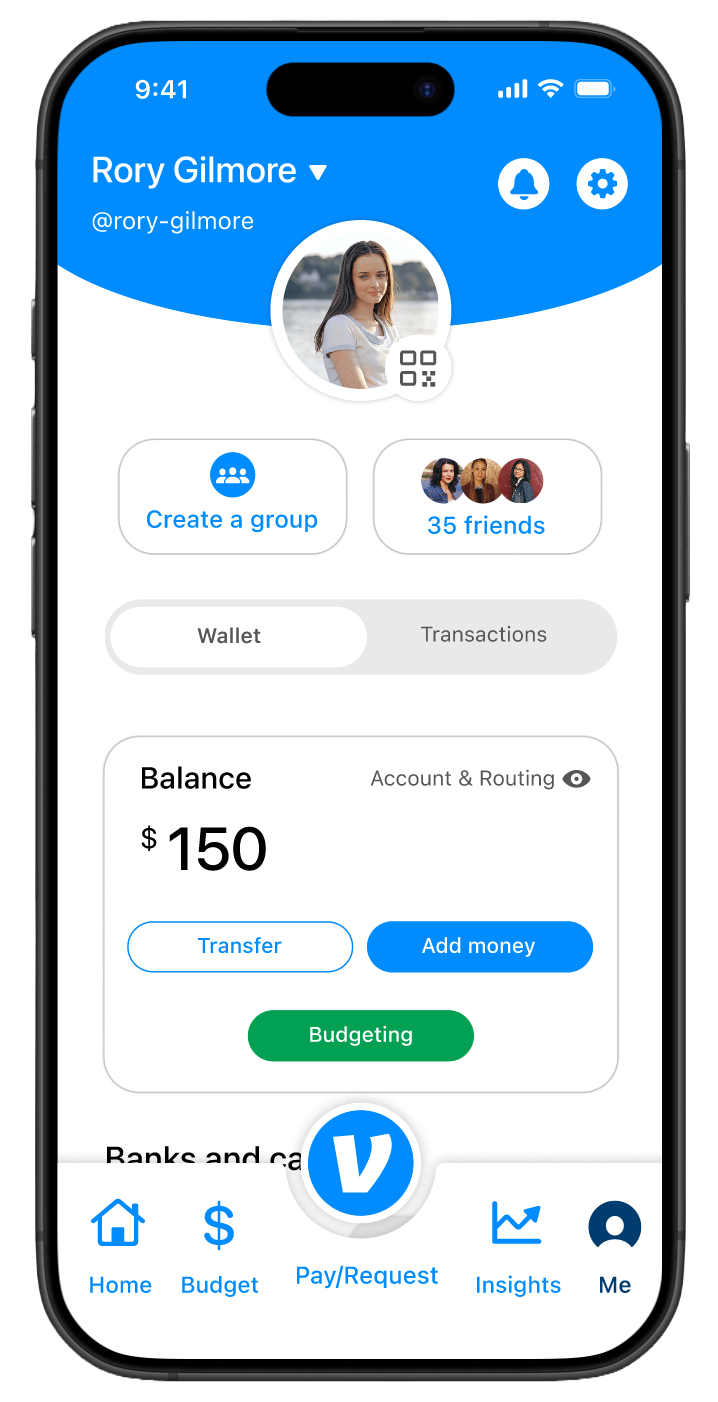
For this project, I designed a new Budgeting & Insights feature for Venmo. I started with a competitor analysis to understand how Venmo compares to apps like Cash App and Zelle, then conducted user interviews to learn how people actually use Venmo and think about their spending. Based on my research, I identified a gap in simple spending awareness and designed a feature that lets users categorize transactions and view monthly summaries through clear charts and insights. I created a fully wired, high-fidelity prototype in Figma, along with supporting wireframes and custom components, while staying consistent with Venmo’s existing visual style.
Venmo Information Architecture
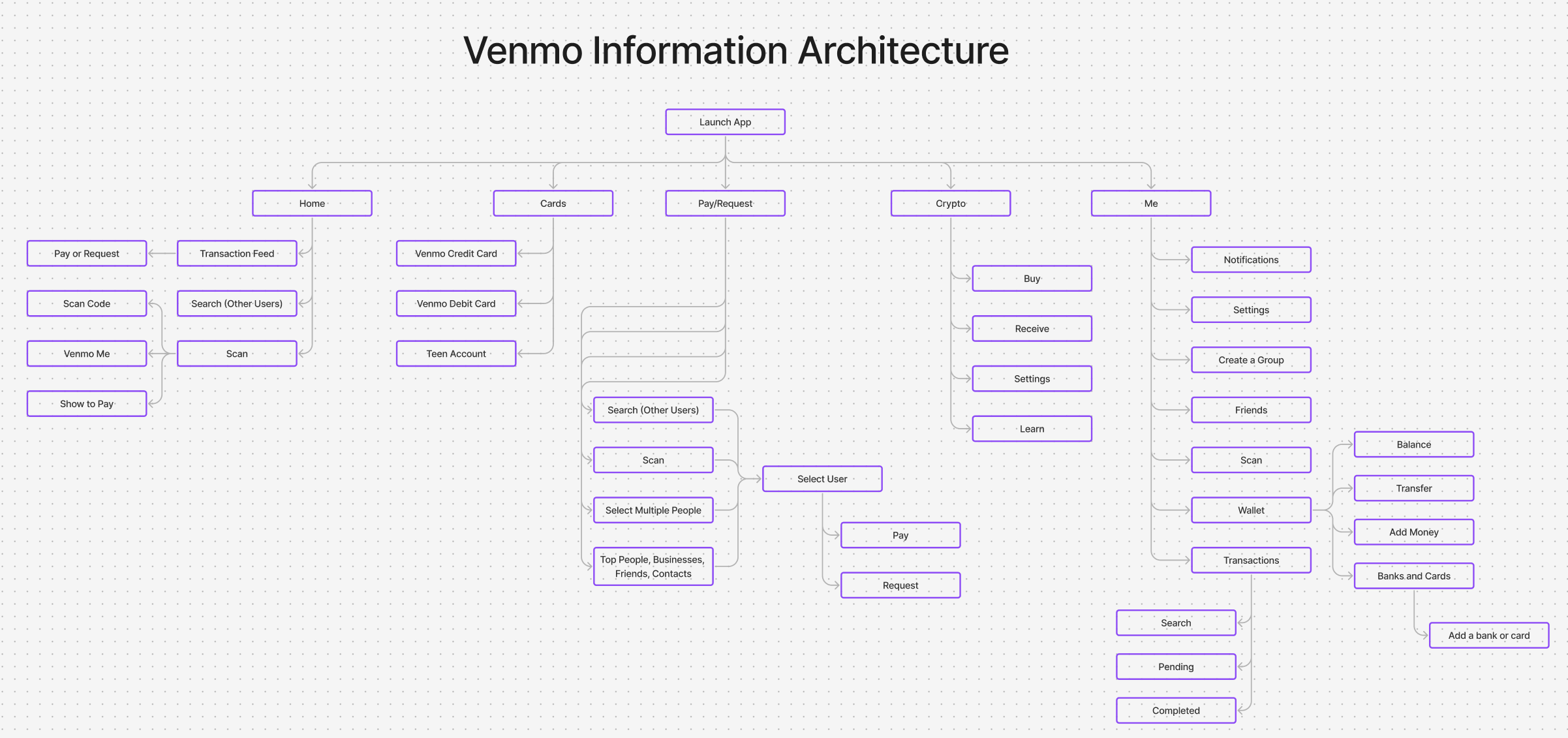
For this project, I outlined the Information Architecture for the Venmo app to map out its major navigation paths. The goal was to practice organizing app structures into a clear, intuitive flow. I built it in Figma, breaking down screens, subpages, and user actions to show how Venmo’s experience fits together behind the scenes.
Front-End Development and Management
Remote Places Development
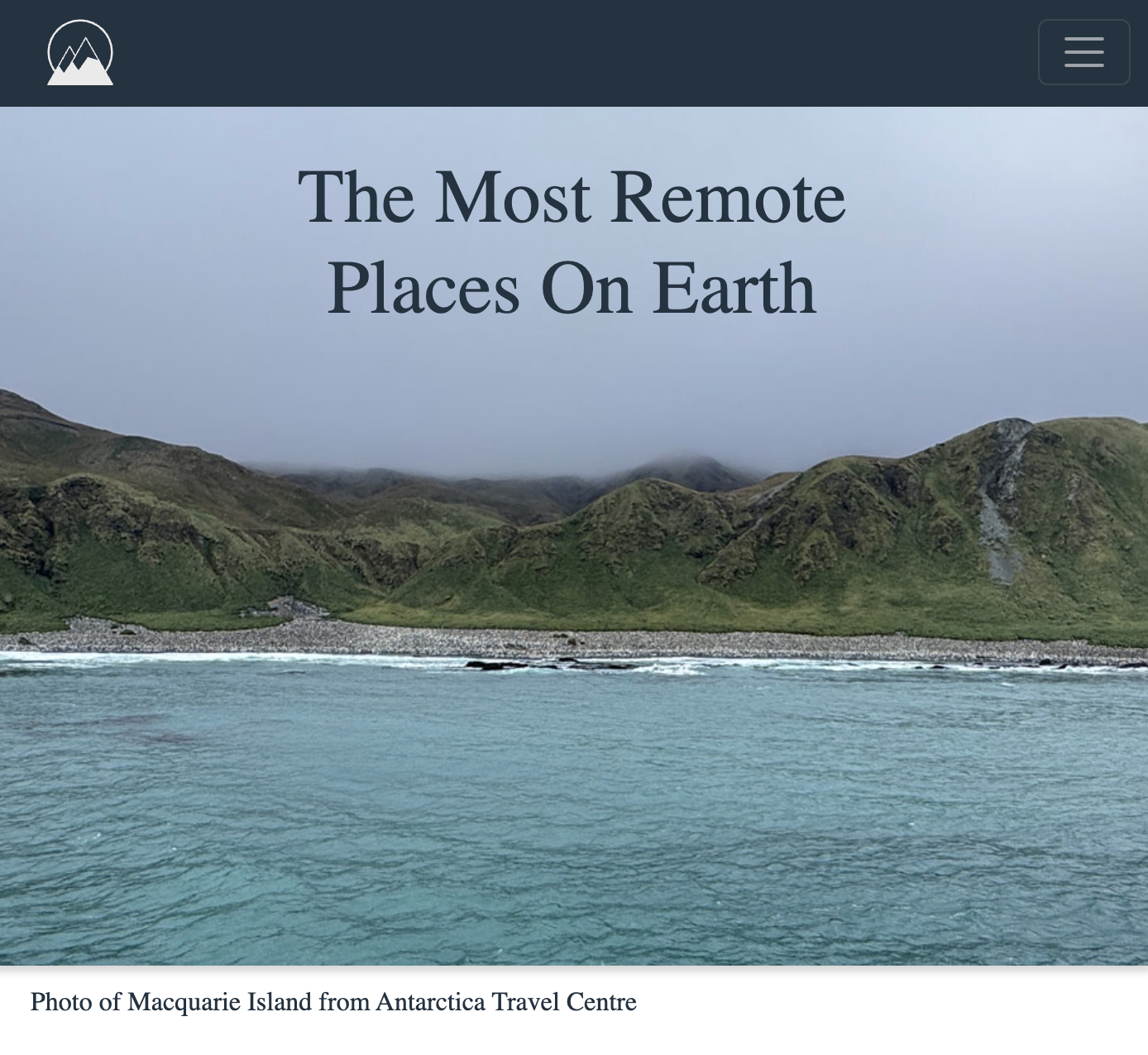
For this project, I took the "Most Remote Places on Earth" Figma design I made earlier and fully developed it into a website using HTML, CSS, and Bootstrap. I built everything mobile-first, organized my files properly, and recreated the look and feel of my original “Most Remote Places on Earth” concept directly in code. I also made sure the layout stayed clean, readable, and responsive. This project let me translate my design into something functional while keeping the same visual style and usability I planned in Figma.

UNC DHS Website Management
I helped manage and update the UNC Department of Health Sciences website in WordPress, focusing heavily on improving and maintaining the staff directories for all seven divisions. This included reorganizing content, updating faculty profiles, fixing formatting issues, and making sure each directory was accurate, accessible, and easy to navigate. My goal was to keep the site clean, consistent, and useful for students, faculty, and visitors.
Short-Form Media & Addictive Design Development
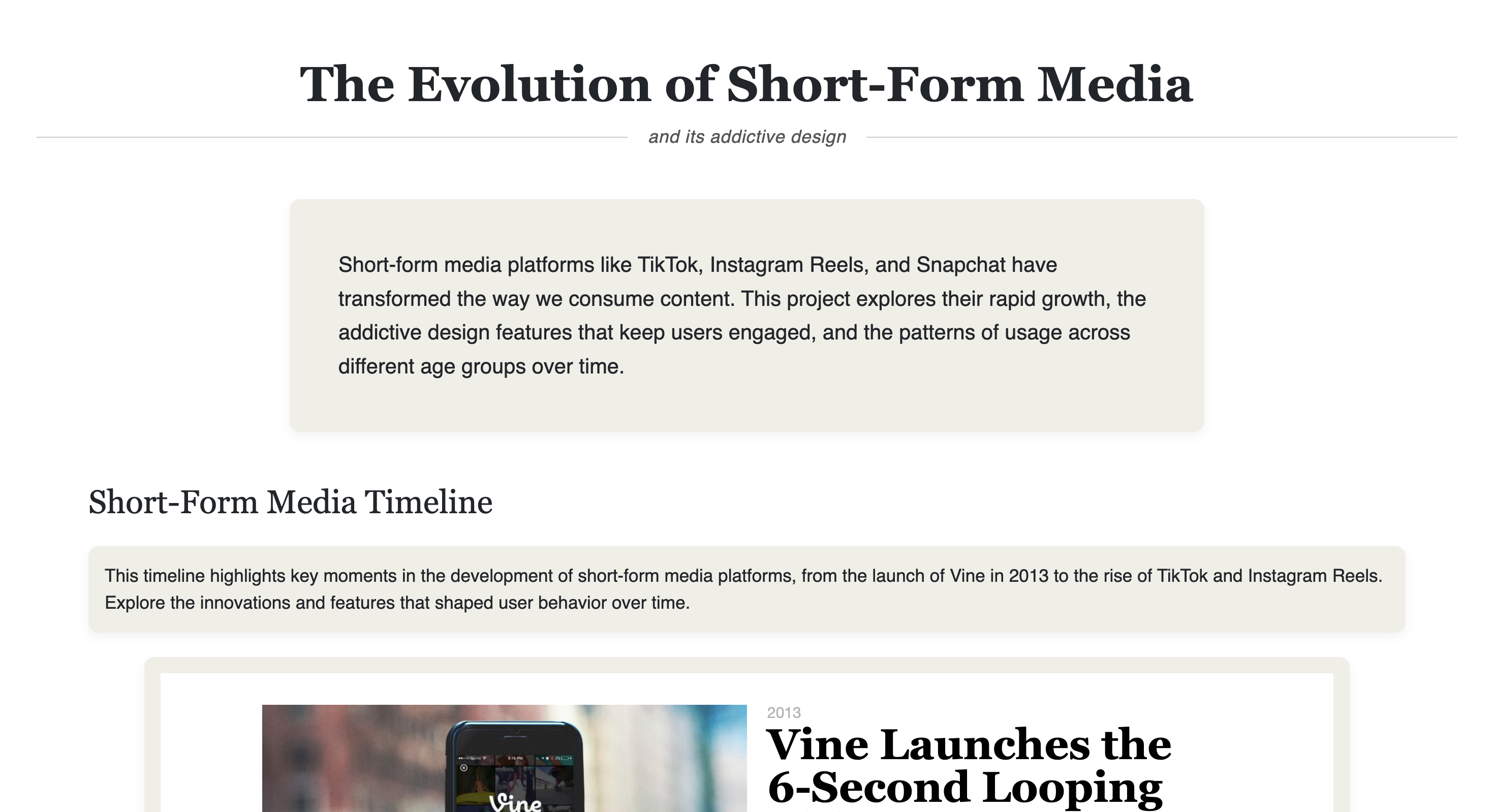
For this project, I made a single-page site that explores how short-form media platforms have evolved to maximize user engagement. I used an interactive timeline to highlight key design moments over time and paired it with data visualizations showing platform growth and differences in time spent across age groups. I created the site using HTML, CSS, Bootstrap, and JavaScript. I also used Timeline.js and Highcharts to help tell the story in a clear, engaging way. The project combines research, visual design, and front-end development.
Just For Fun
Handmade 70s Dress
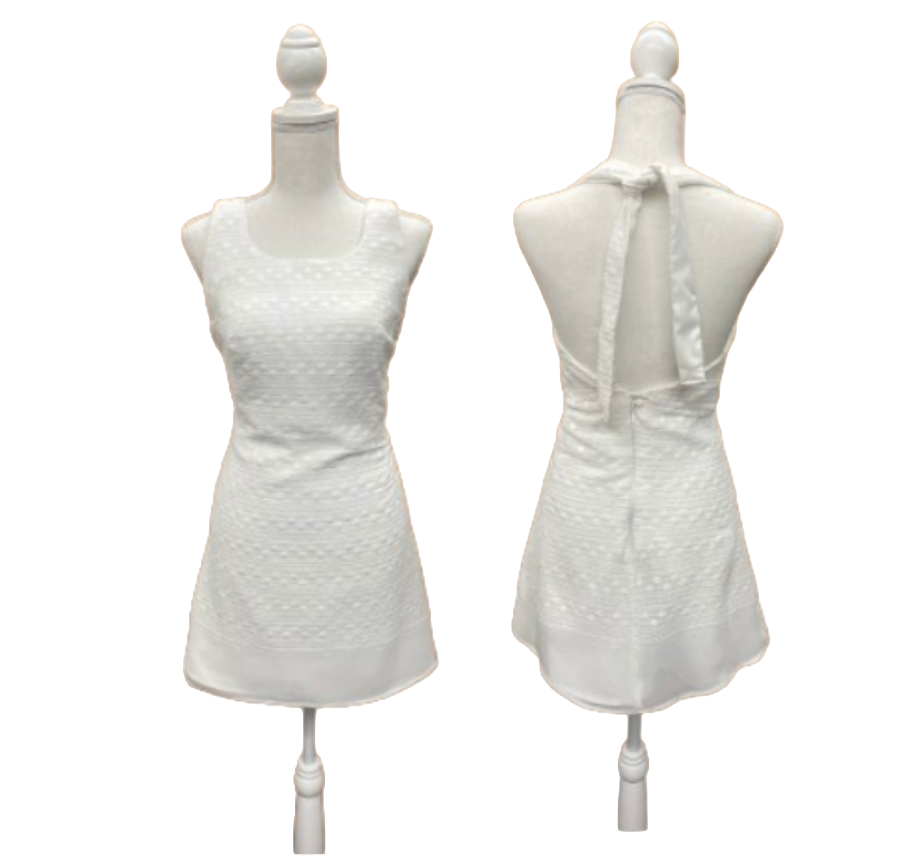
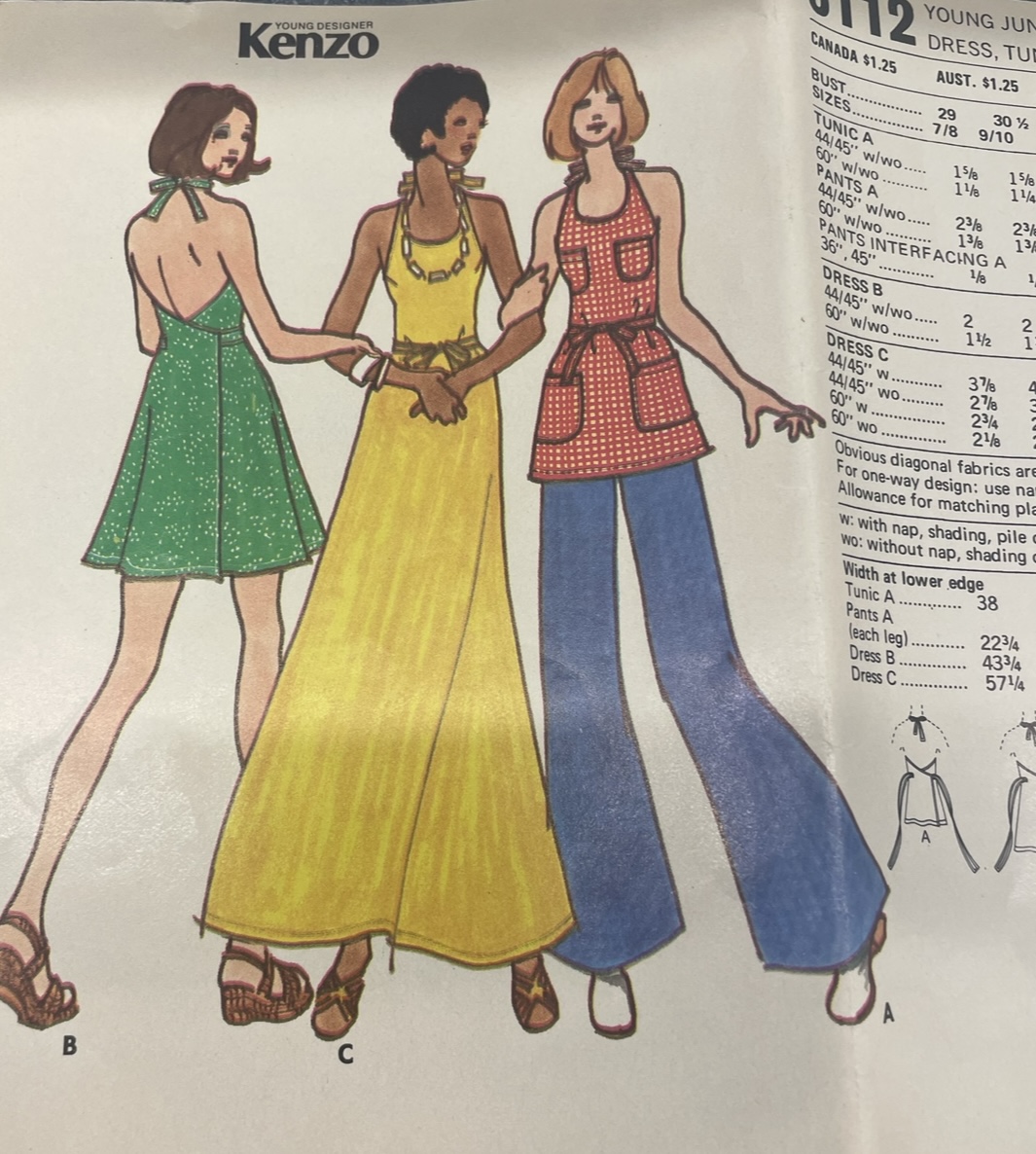
For this personal project, I used a dress pattern from the 1970s and reconstructed it to reflect my own design choices. I removed the front pockets, added a lining, and incorporated a lace overlay to make the originally casual dress more formal. I later wrote a cultural biography of the dress for a class, exploring its historical inspiration, design process, and personal significance as a handmade gift for my sister.